

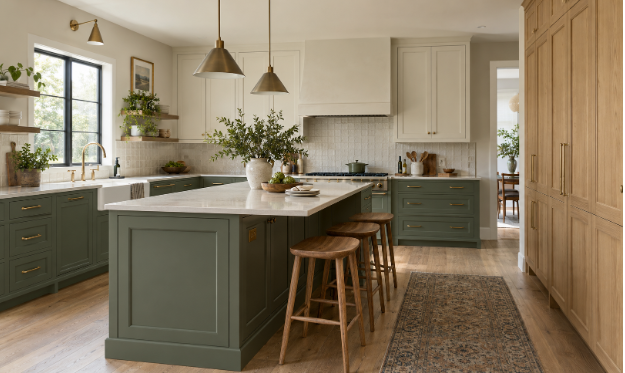
Kitchen cabinets play an important role in both the appearance and functionality of a home. Because they occupy a significant amount of visual space, the cabinet door style, color, and finish can influence how the entire kitchen feels. A well-chosen design can add character to the room while providing the practical storage homeowners need for everyday activities.
When planning a kitchen renovation, homeowners often look for a cabinet style that offers visual detail without making the space feel overly decorative. Recessed panel cabinet doors provide this balance through their framed construction and inset center panel. The design adds depth and definition while remaining versatile enough to work with traditional, transitional, and updated kitchen interiors.
Color is equally important when creating a cohesive kitchen. The right finish can emphasize the cabinet profile, complement the countertops and flooring, and influence the overall atmosphere of the room. For homeowners in Orland Park, IL, considering the existing home style, available lighting, and kitchen layout can help guide these choices. By combining a suitable cabinet profile with carefully selected colors and materials, homeowners can create a kitchen that feels both stylish and functional.
What Makes Recessed Panel Cabinets Different?
Recessed panel cabinets are recognizable by their center panel, which sits slightly behind the surrounding frame. This construction creates depth and definition across the cabinet door while maintaining a relatively clean overall profile. The recessed center gives the door more visual detail than a completely flat cabinet front. At the same time, the design is generally less elaborate than heavily decorative cabinet profiles. This makes it adaptable to different kitchen environments.
Another advantage is the way the style responds to finishes. A light painted finish can emphasize the clean lines of the frame, while a wood finish can highlight the natural texture and dimensional quality of the door. The surrounding kitchen elements also affect how recessed panels appear. Hardware, countertops, backsplash materials, and lighting can either emphasize the traditional character of the doors or give them a more contemporary appearance.
For this reason, homeowners should consider the complete kitchen when selecting a recessed panel door. The cabinet profile is important, but the final result depends on how that profile interacts with the other materials in the room.
Why Recessed Panel Cabinets Work Across Different Kitchen Styles
A cabinet style becomes more useful when it can adapt to different interior designs. Recessed panel cabinetry has enough detail to complement traditional kitchens while maintaining a clean enough appearance for transitional spaces. In a traditional kitchen, homeowners can pair recessed panel doors with warm wood tones, classic hardware, natural stone countertops, and decorative lighting. These elements reinforce the traditional character of the cabinetry without requiring an overly ornate design.
For transitional kitchens, neutral finishes and simpler hardware can create a more balanced combination. The recessed center panel adds subtle dimension while the surrounding materials keep the kitchen feeling current. The style can also be adapted for more contemporary spaces. Choosing a simple finish, streamlined hardware, and clean countertop surfaces can reduce the traditional appearance of the cabinet profile.
This flexibility is particularly useful for homeowners who do not want their kitchen to depend on a short-term design trend. A versatile cabinet style can make it easier to update colors, hardware, or decorative features later without changing the entire cabinetry system.
Recessed Panel vs. Shaker Cabinet Styles
Recessed panel and Shaker cabinetry are sometimes considered together because both can provide a framed appearance, but their visual character is not identical. Shaker doors are generally associated with simple lines and a straightforward frame, while recessed panel designs can introduce additional depth and detailing around the center panel. Shaker cabinetry can suit homeowners who want a clean and uncomplicated appearance. It can be paired with modern materials as well as traditional finishes, making it a flexible choice for many kitchen layouts.
Recessed panel cabinets may be more appropriate for homeowners who want a little additional dimension without selecting a highly decorative door. The inset center panel creates visual interest while keeping the overall design controlled.
There is no single cabinet style that works for every kitchen. Homeowners should consider the architecture of the home, the desired level of detail, and how the cabinets will interact with countertops, flooring, and lighting before making a decision.
How to Choose Between the Two Styles
Start by considering the overall character of the kitchen. If the design relies on clean surfaces and minimal detailing, a simpler door profile may fit naturally. If the room includes traditional architectural features or homeowners want more depth in the cabinetry, recessed panel doors may provide the desired character.
It is also useful to compare actual door samples rather than relying only on photographs. Different lighting conditions and finishes can change the way a cabinet profile appears.
Choosing the Right Color for Recessed Panel Cabinets
Cabinet color can significantly change the appearance of a kitchen. The same recessed panel door can look bright and contemporary in white, warm and traditional in a natural wood finish, or dramatic in a darker shade. Light colors such as white, cream, and soft gray can help create a brighter atmosphere. They also provide a neutral foundation for countertops, backsplash designs, and decorative accessories.
Gray can offer a middle ground between warm and cool tones. Depending on the shade, it can work with traditional materials or create a more contemporary appearance. Wood tones introduce natural texture and warmth. They can work particularly well with natural stone, wood flooring, and other organic materials.
Darker colors can create stronger contrast and make cabinetry a prominent feature. However, homeowners should consider the size of the room and amount of natural light before selecting a deep finish. The existing materials in the kitchen should also influence the decision. Looking at kitchen cabinet colors alongside countertops, flooring, backsplash, and lighting can make it easier to create a coordinated palette.
Use Color to Create Balance in the Kitchen
A balanced kitchen does not necessarily require every cabinet and surface to have the same color. In fact, using carefully selected contrast can give the room more depth. For example, homeowners may choose a lighter color for perimeter cabinets and a darker finish for an island. Another option is to use natural wood cabinetry alongside painted cabinets to introduce warmth without making the room feel visually busy.
Neutral colors can also serve as a foundation for stronger accents. A simple cabinet finish allows homeowners to introduce personality through hardware, lighting, backsplash materials, or furniture.
The amount of contrast should depend on the size and layout of the kitchen. Too many competing colors can make a small space feel crowded, while a large open kitchen may be able to accommodate stronger differences between cabinetry and other surfaces. The goal is to create visual relationships between the different materials rather than choosing colors independently.
Match Cabinet Finishes With Countertops and Hardware
Cabinet color is only one part of the final design. Countertops and hardware can either reinforce the cabinet style or create contrast.
For example, a light recessed panel cabinet can work with a darker countertop to create definition. A natural wood cabinet can be paired with stone surfaces to emphasize warmth and texture. Neutral cabinetry can also provide a simple background for a distinctive backsplash.
Hardware has a similar effect. Simple pulls can give a recessed panel cabinet a cleaner appearance, while traditional knobs or warmer metal finishes can emphasize its classic characteristics.
Lighting should also be considered. Natural and artificial light can affect how cabinet colors appear throughout the day. A color that looks neutral in a showroom may appear warmer or cooler under different lighting conditions. Reviewing cabinet samples alongside countertop and flooring samples can help homeowners see how the complete combination will look before making a final selection.
Plan Storage Along With Cabinet Style
A kitchen should be attractive, but it also needs to support everyday activities. Cabinet planning should therefore address storage requirements at the same time as appearance. Homeowners should think about the items they use most often and where those items should be stored. Frequently used cookware may be easier to access in deep drawers, while pantry products can benefit from pull-out shelving or dedicated pantry cabinets.
Other useful storage features can include:
- Drawer organizers for utensils
- Pull-out shelves for pantry items
- Corner storage systems
- Dedicated appliance areas
- Tray and cutting-board dividers
Planning these features early can help prevent wasted space. It also allows homeowners to organize the kitchen according to their actual routines rather than trying to adapt their habits to an existing cabinet layout. The exterior style and interior organization should work together. A beautiful recessed panel door is more useful when the cabinet behind it provides convenient and accessible storage.
Consider the Overall Kitchen Layout
Cabinet style and color should be selected according to the size and layout of the room. A color that works beautifully in a large, naturally lit kitchen may have a different effect in a smaller space.
Homeowners should consider the location of:
- Windows and natural light
- Major appliances
- Kitchen islands
- Dining areas
- Entryways and walkways
The cabinet layout should allow people to move comfortably between different work areas. Storage should be positioned where it is convenient to access, especially for items used during food preparation. A well-planned layout also helps maintain visual balance. For example, combining upper and lower cabinets with an island can create a more cohesive appearance when colors and finishes are coordinated throughout the space. Taking measurements and reviewing the layout before selecting cabinet configurations can reduce problems during installation.
Plan a Recessed Panel Kitchen in Orland Park, IL
Homeowners in Orland Park, IL, have a variety of kitchen layouts and home styles, so cabinet decisions should be based on the individual space rather than a one-size-fits-all approach.
Recessed panel cabinets can be adapted to different interiors through the selection of colors, finishes, hardware, and surrounding materials. This makes them an option for homeowners who want traditional character while maintaining flexibility in the overall kitchen design.
Before ordering cabinets, homeowners can consider the home’s existing architecture, available natural light, countertop materials, flooring, and storage requirements. These factors can help determine whether a particular cabinet profile and finish will work well within the space.
Seeing cabinet samples in person can also be helpful. A local cabinet showroom allows homeowners to compare door profiles and finishes under real lighting while discussing layout and storage requirements.
Common Mistakes to Avoid When Choosing Cabinet Styles
One common mistake is selecting a cabinet color before considering the rest of the kitchen. Cabinets should be evaluated alongside countertops, flooring, backsplash, and lighting to avoid an unbalanced combination. Another mistake is focusing entirely on current trends. While trends can provide inspiration, a cabinet style should also suit the home’s architecture and the homeowner’s long-term preferences.
Ignoring storage requirements can create another problem. A kitchen may look attractive after installation but become inconvenient if everyday items are difficult to reach.
Homeowners should also avoid assuming that every part of the kitchen needs to match exactly. Controlled contrast between an island, perimeter cabinets, countertops, or hardware can create depth and visual interest. Taking time to consider both appearance and functionality before making decisions can lead to a more satisfying renovation.
Why Professional Cabinet Planning Can Improve the Result
Kitchen cabinet planning involves more than selecting a door style. Measurements, layout, storage, finishes, colors, and surrounding materials all need to work together.
Professional cabinet guidance can help homeowners compare different options based on their available space and design goals. A cabinet specialist can also help identify storage opportunities that may otherwise be overlooked.
For a homeowner considering recessed panel cabinetry, reviewing physical samples and discussing different configurations can make the selection process easier. Professional planning can also help coordinate the cabinet finish with countertops, hardware, flooring, and backsplash materials. The result should be a kitchen where the cabinets are not only visually appealing but also support the way the space is used every day.
Final Thoughts
Recessed panel cabinets provide a balanced combination of structure, depth, and traditional character. Their versatile design allows homeowners to create different looks by changing the finish, hardware, countertops, and surrounding materials.
Color selection is equally important. Light, neutral, natural, and darker finishes can each create a different atmosphere, so homeowners should evaluate them according to the kitchen’s size, lighting, architecture, and existing materials.
For homeowners planning a kitchen renovation in Orland Park, IL, combining a suitable cabinet profile with carefully selected kitchen cabinet colors can help create a cohesive and comfortable space. With thoughtful planning, the final kitchen can offer both the visual character homeowners want and the practical storage needed for everyday life.
