

Creating a sustainable and cost-effective living environment starts with the mechanical systems that power your home. When your essential utilities operate at peak performance, you enjoy lower energy bills, improved indoor air quality, and a reduced carbon footprint.
Maintaining these systems requires a combination of regular homeowner attention and specialized professional care. By staying ahead of wear and tear, you can prevent unexpected breakdowns and extend the lifespan of your expensive equipment.
Here are five essential strategies to ensure your home systems remain efficient throughout every season of the year.
1. Optimize Your Home Insulation Envelope
Efficiency begins with keeping the air you have already treated inside your living spaces. Small gaps around windows, doors, and attic hatches can cause your heating and cooling systems to work significantly harder than necessary.
Conduct a seasonal audit of your home to identify drafts and apply weatherstripping or caulk where needed.
Ensuring your attic has sufficient insulation is one of the most effective ways to prevent heat loss in the winter and heat gain in the summer, creating a stable environment that places less strain on your appliances.
2. Secure Comfort with Regular Preventive Heating Maintenance
As the colder months approach, the reliability of your furnace or heat pump becomes a top priority. Scheduling annual preventive heating maintenance is the most effective way to ensure your system is prepared for the heavy workload of winter.
During these visits, technicians clean the burners, inspect the heat exchanger for safety, and calibrate the thermostat for accuracy.
Addressing small issues like worn fan belts or clogged sensors early on prevents them from developing into total system failures when you need warmth the most.
3. Maximize Airflow with Frequent Filter Changes
One of the simplest yet most overlooked aspects of system efficiency is the air filter. A dirty or clogged filter restricts airflow, forcing the motor to consume more electricity to move air through the house.
Depending on your household needs, especially if you have pets or allergies, you should inspect your filters every thirty days and replace them at least once a quarter.
Clean filters not only protect the internal components of your equipment from dust buildup but also significantly improve the overall health of your indoor environment.
4. Enhance Reliability with Professional HVAC Service
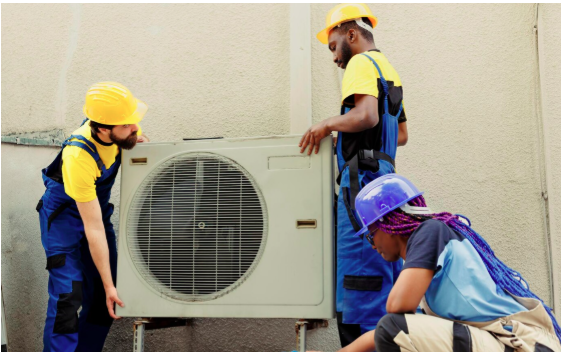
While many maintenance tasks can be handled by the homeowner, complex mechanical systems require the precision of a professional HVAC service to remain truly efficient. Experts have the tools to check refrigerant levels, clean evaporator coils, and clear condensate drain lines that are prone to clogging.
A professional tune-up ensures that every component of your cooling and heating units is synchronized. This comprehensive oversight reduces the friction and energy waste that naturally occur over time, keeping your monthly utility costs as low as possible.
5. Transition to Smart Thermostat Technology
Manually adjusting your temperature settings can lead to significant energy waste when you are away from home or asleep. Upgrading to a smart thermostat allows you to create precise schedules that align with your daily routine.
Many modern devices use machine learning to adapt to your preferences and can even provide energy usage reports to help you identify further saving opportunities. By automating your home climate, you ensure that energy is only being used when it is truly needed to maintain your comfort.
