

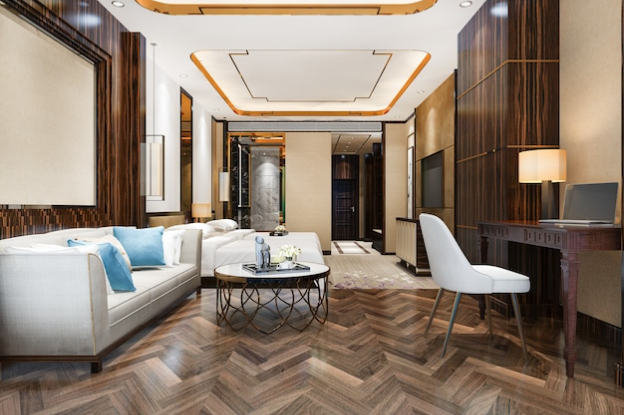
As the world of interior design continues to evolve, it reflects shifts in lifestyle preferences, technological advancements, and ecological awareness. Today’s designs incorporate not only functionality but also the aesthetic appeal that resonates with personal values. This blog explores some of the key trends in interior design that are currently making waves in homes and commercial spaces alike.
1. Sustainable and Eco-Friendly Materials
One of the most prominent trends in interior design is a shift towards sustainability. Homeowners and designers are increasingly opting for eco-friendly materials that minimize environmental impact. This includes using reclaimed wood, recycled metals, and low-VOC (volatile organic compounds) paints.
Sustainability in interior design not only benefits the planet but also creates healthier living spaces, allowing residents to enjoy a more natural ambiance. By incorporating these materials, interior design becomes a reflection of a commitment to environmental stewardship.
2. Minimalism and Decluttering
In recent years, minimalism has gained traction in the interior design world. The principle of “less is more” resonates with many who are seeking to simplify their lives amidst the chaos of modern living. Minimalist interior design emphasizes clean lines, open spaces, and functional furniture that serves multiple purposes.
This trend encourages individuals to declutter their environments, leading to a more serene atmosphere. As a result, homeowners find great satisfaction in curating spaces that are both aesthetically pleasing and practical.
3. Bold Colors and Patterns
While minimalism focuses on simplicity, many interior design enthusiasts are embracing bold colors and patterns. This trend allows for vibrant expression and individuality in spaces. Deep jewel tones, bright pastels, and striking geometric patterns inject energy and excitement into interiors.
Accent walls, patterned textiles, and decorative elements can transform a space, making it feel lively and inviting. This counterbalance to minimalist design demonstrates that personal style can thrive while still embracing contemporary trends.
4. Multifunctional Spaces
With the rise of remote work and changing lifestyles, multifunctionality is becoming a critical consideration in interior design. Homeowners are now looking for ways to optimize their spaces to accommodate work, relaxation, and entertainment.
Designers are incorporating movable furniture, versatile layouts, and clever storage solutions that enable adaptability. This trend fosters a sense of flexibility, allowing spaces to evolve with the needs of the occupants. As a result, interior design focuses not just on aesthetics, but on practicality and user-friendliness.
5. Technology Integration
The digital age has given rise to smart homes, and interior design is no exception. Many consumers now seek to incorporate technology seamlessly into their living environments. Features such as smart lighting, automated window treatments, and integrated sound systems are gaining popularity.
This trend also includes the use of app-controlled fixtures and energy-efficient appliances. By blending technology with interior design, homeowners can enhance comfort and convenience while simultaneously modernizing their spaces.
Conclusion
In conclusion, the current trends in interior design encompass a range of styles and values that reflect modern living. Whether it’s a commitment to sustainability, a minimalist approach, bold expressions of color, multifunctional spaces, or technology integration, these trends create environments tailored to today’s lifestyles.
By staying informed about these developments, homeowners and designers can make informed choices that celebrate both individuality and current themes in interior design. Embracing these trends can ultimately lead to the creation of spaces that feel not just lived in, but truly alive.
