

Introduction
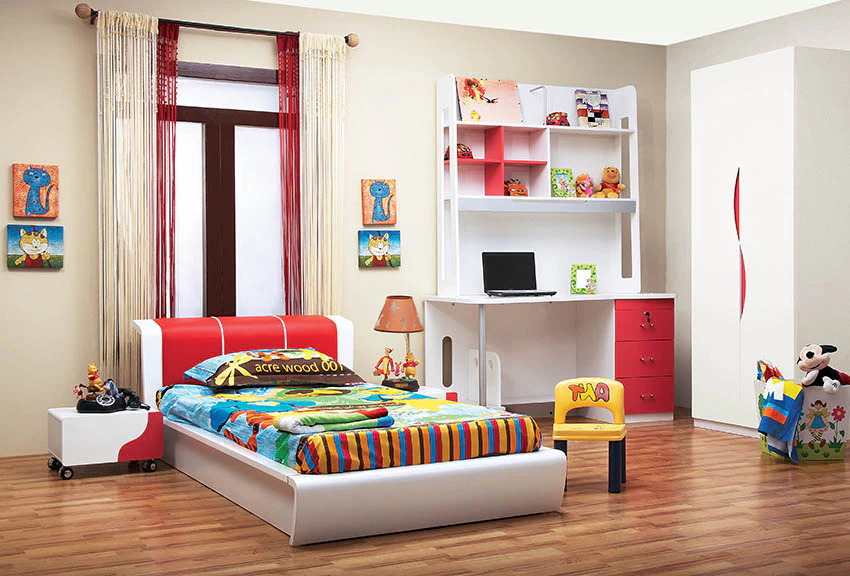
Designing a child’s room is one of the most exciting parts of creating a home. It’s not just about aesthetics—it’s about building a space where your child can sleep peacefully, play freely, and learn comfortably. The right kids room furniture becomes the foundation of this environment, blending safety, creativity, and practicality.
Unlike adult furniture, kids’ furniture must adapt to rapid growth, changing interests, and evolving needs. From colorful beds to smart storage units, every piece should serve a purpose while adding joy to the space.
This comprehensive guide will walk you through everything—from choosing the right furniture to designing a room that grows with your child.
Understanding the Importance of Kids Room Furniture
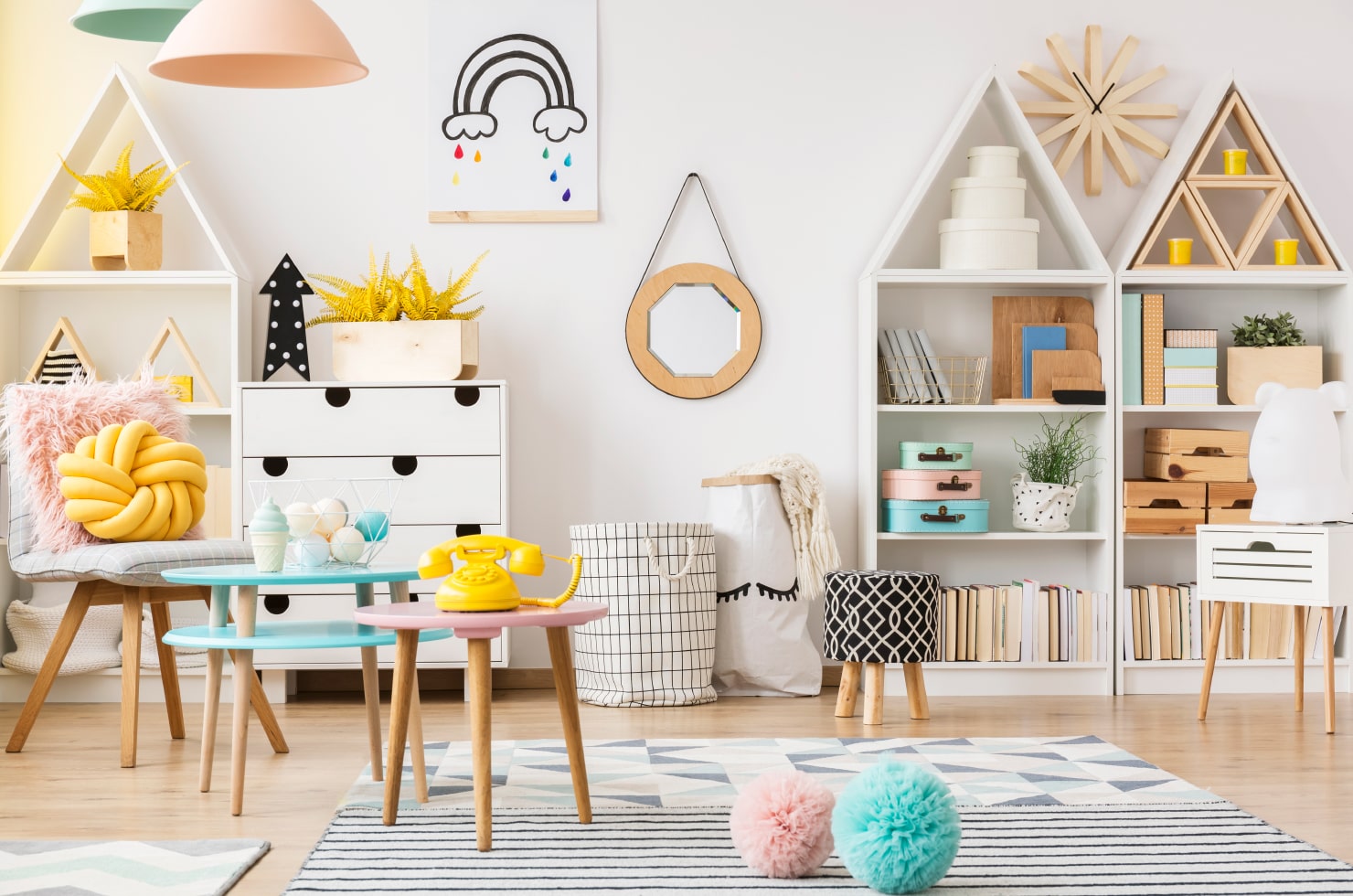
Children’s rooms are multi-functional spaces. They act as bedrooms, classrooms, play areas, and sometimes even mini studios for creativity. That’s why selecting the right kids room furniture is more important than many parents realize.
Here’s why it matters:
- Supports Growth: Ergonomic furniture helps maintain proper posture
- Enhances Learning: A dedicated study space improves concentration
- Encourages Organization: Storage solutions teach responsibility
- Boosts Creativity: Fun designs inspire imagination
- Ensures Safety: Proper materials reduce risks
When thoughtfully chosen, furniture becomes a tool that supports both physical and emotional development.
Core Elements of Kids Room Furniture

A well-designed kids’ room includes a balance of essential and flexible furniture pieces.
1. Beds: The Heart of the Room
Beds are the most important element in any child’s room. Options include:
- Single Beds: Ideal for individual use
- Bunk Beds: Perfect for siblings sharing a room
- Loft Beds: Combine sleep and study space
- Storage Beds: Include drawers for organization
Choosing versatile kids room furniture like storage beds can significantly reduce clutter.
2. Study Area: Learning Starts Here
A proper study setup is crucial as children grow older.
- Adjustable desks for different heights
- Ergonomic chairs for posture support
- Good lighting for eye comfort
Creating a dedicated study zone helps children develop discipline and focus.
3. Storage Solutions: Keeping Chaos Away
Kids tend to accumulate toys, books, clothes, and art supplies. Smart storage is essential.
- Toy chests
- Bookshelves
- Modular wardrobes
- Under-bed storage
Efficient kids room furniture ensures everything has its place.
4. Seating and Play Furniture
Comfortable seating adds warmth and personality to the room.
- Bean bags
- Mini sofas
- Floor cushions
- Activity tables
These elements create a cozy environment for relaxation and play.
Designing for Functionality and Space
Space planning plays a major role in making a room both practical and visually appealing.
Smart Layout Planning
Divide the room into functional zones:
- Sleeping area
- Study corner
- Play section
This layout makes the room feel organized and spacious.
Space-Saving Furniture Ideas
Modern homes often have limited space, making smart furniture essential:
- Foldable desks
- Wall-mounted shelves
- Convertible beds
- Stackable storage
Multi-purpose kids room furniture is a game-changer for small rooms.
Trending Styles in Kids Room Furniture
Furniture trends for kids’ rooms are constantly evolving. Here are some popular styles:
1. Scandinavian Simplicity
- Neutral tones
- Minimalist design
- Functional pieces
2. Colorful Playful Themes
- Bright colors
- Cartoon-inspired furniture
- Creative shapes
3. Nature-Inspired Designs
- Wooden textures
- Earthy tones
- Eco-friendly materials
4. Modern Minimalist
- Clean lines
- Smart storage
- Clutter-free layouts
These styles help you choose kids room furniture that matches your home’s aesthetic.
Choosing the Right Materials
Material selection impacts durability, safety, and maintenance.
Wooden Furniture
- Strong and long-lasting
- Classic appeal
- Eco-friendly options available
Engineered Wood
- Affordable
- Lightweight
- Stylish finishes
Plastic Furniture
- Bright and fun
- Easy to clean
- Suitable for younger kids
Metal Furniture
- Durable
- Ideal for bunk beds
- Long-lasting
Comparison Table: Best Kids Room Furniture Choices
| Furniture Type | Ideal Age Group | Advantages | Drawbacks |
|---|---|---|---|
| Wooden | All ages | Durable, premium look | Expensive |
| Plastic | Toddlers | Lightweight, colorful | Less durable |
| Metal | Older kids | Strong, long-lasting | Limited design |
| Modular | Growing kids | Flexible, space-saving | Assembly required |
Safety Guidelines You Must Follow
Safety should never be compromised when selecting kids room furniture.
- Avoid sharp edges
- Use non-toxic materials
- Ensure stable construction
- Secure heavy furniture to walls
- Choose soft-close drawers
A safe environment allows children to explore without constant supervision.
A well-designed kids room is not just beautiful—it’s functional, safe, and inspiring.
The right furniture turns everyday routines into joyful experiences.
Age-Wise Furniture Selection Guide
Toddlers (1–4 Years)
- Low-height beds
- Soft edges
- Bright colors
Kids (5–10 Years)
- Study desks
- Storage units
- Themed furniture
Teens (11+ Years)
- Standard beds
- Minimalist designs
- Advanced study setups
Choosing age-appropriate kids room furniture ensures long-term usability.
Budget-Friendly Ideas for Kids Room Furniture
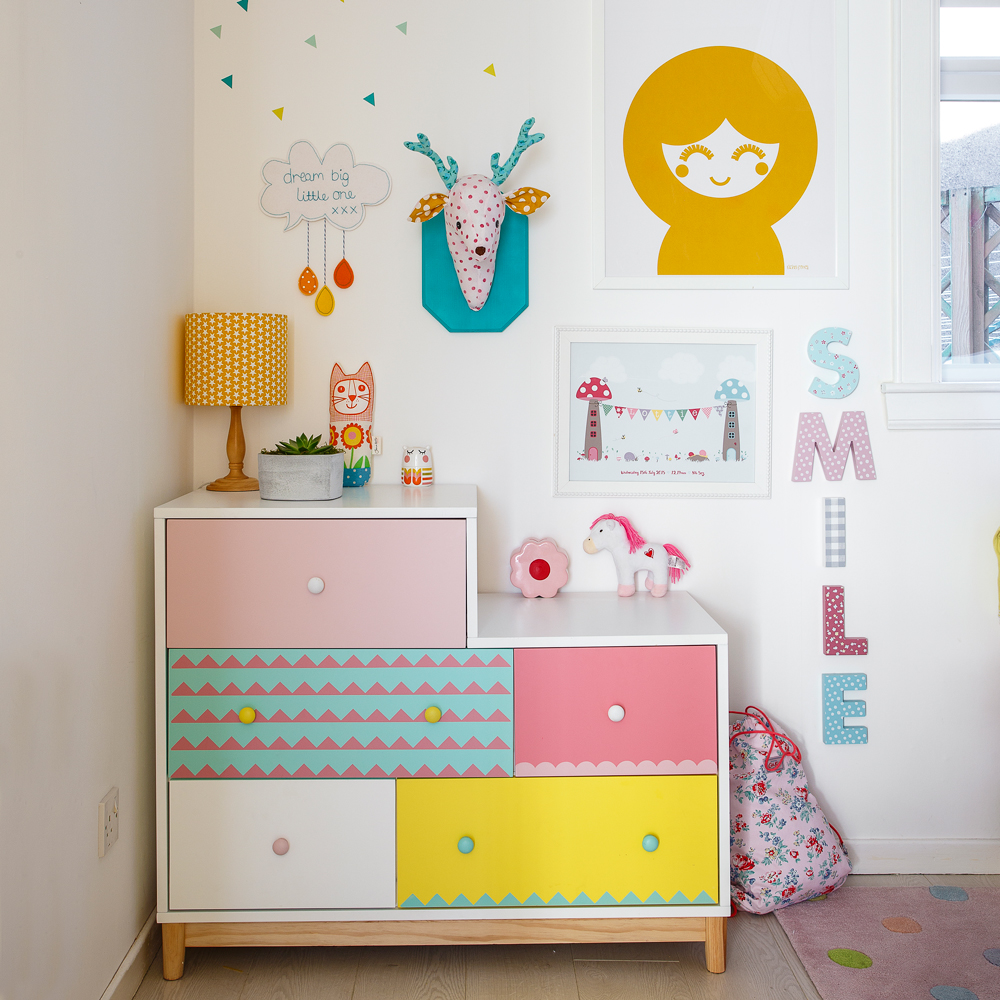
Creating a stylish room doesn’t have to be expensive.
- Repaint old furniture
- Use DIY shelves
- Invest in multi-functional pieces
- Shop during sales
Affordable kids room furniture can still look premium with the right styling.
Storage Hacks for Organized Spaces
Keeping a child’s room organized can be challenging. Here are some smart hacks:
- Use labeled bins
- Install wall hooks
- Add under-bed drawers
- Use vertical shelving
These ideas maximize space and reduce clutter.
Eco-Friendly Kids Room Furniture Choices
Sustainability is becoming increasingly important for modern homes.
- Bamboo furniture
- Recycled wood
- Non-toxic finishes
- Organic fabrics
Eco-friendly kids room furniture is safer for both children and the environment.
Expert Tips for Perfect Kids Room Design
Interior designers recommend the following:
- Choose neutral base colors for longevity
- Add pops of color through accessories
- Invest in quality over quantity
- Keep the design flexible
- Involve your child in decision-making
These tips ensure your kids room furniture remains useful for years.
Common Mistakes to Avoid
Avoid these errors when designing your child’s room:
- Overcrowding the space
- Ignoring safety features
- Choosing style over comfort
- Lack of storage planning
- Buying non-adjustable furniture
Planning ahead saves time, money, and effort.
Personalization Ideas for Kids Rooms
Make the room unique with personal touches:
- Name boards
- Custom wall art
- Themed bedding
- DIY decorations
Personalized kids room furniture adds emotional value and makes the space special.
FAQs
1. What is the best furniture for small kids rooms?
Multi-functional and modular furniture works best for small spaces.
2. How often should kids furniture be replaced?
Every 4–6 years or when your child outgrows it.
3. Is wooden furniture safe for kids?
Yes, if it has smooth edges and non-toxic finishes.
4. How do I maintain kids furniture?
Regular cleaning and checking for loose parts ensure durability.
5. What colors are best for kids rooms?
Soft neutrals with bright accents create a balanced environment.
Conclusion
Designing the perfect kids’ room requires a thoughtful balance of creativity, safety, and functionality. The right kids room furniture not only enhances the look of the room but also supports your child’s growth, learning, and happiness.
Focus on adaptable designs, smart storage, and durable materials. Whether you’re designing for a toddler or a teenager, investing in quality furniture ensures long-term benefits.
Remember, a child’s room is more than just a place to sleep—it’s a world where imagination grows, learning begins, and memories are created. Choose wisely, design creatively, and create a space your child will cherish for years to come.
Read More:-Garage Door Repair: Complete Guide to Fix, Save And Maintain
