

Introduction
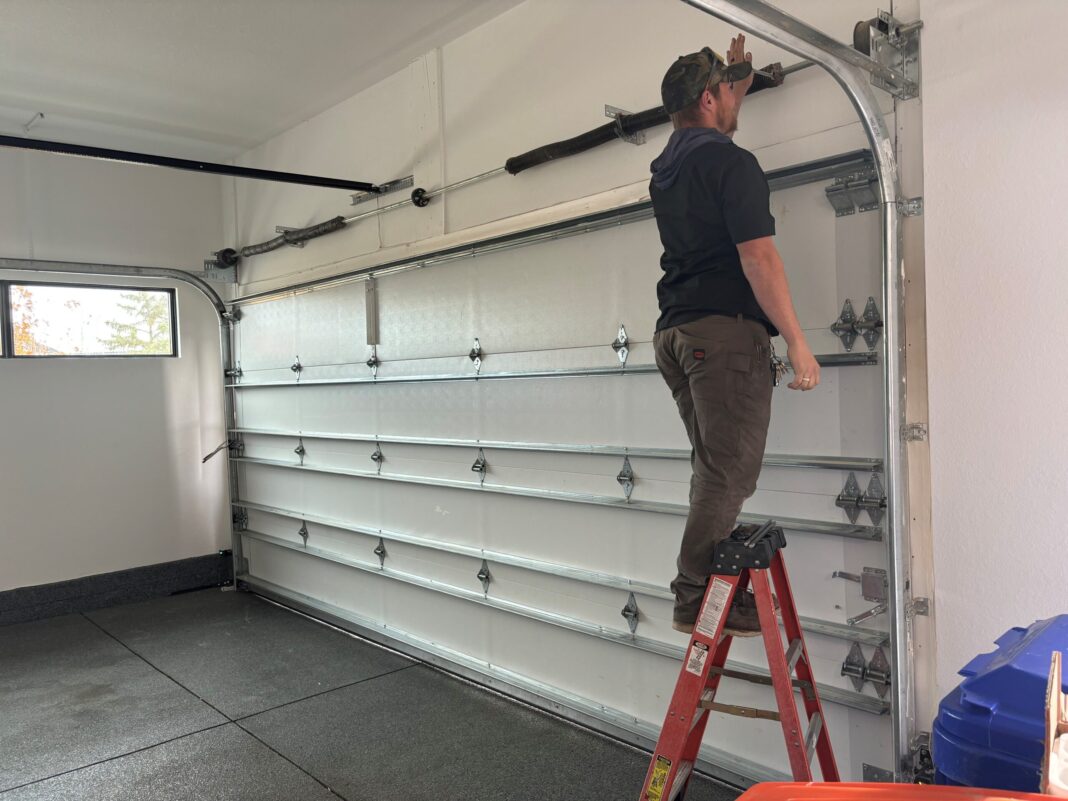
Garage doors are more than just entry points to your home or business—they are a key part of security, convenience, and curb appeal. A malfunctioning garage door can disrupt daily routines, compromise safety, and even damage property if left unattended. Regular maintenance and timely garage door repair are essential to keep doors operating smoothly, prevent costly replacements, and ensure the safety of your family and belongings.
In this comprehensive guide, we will explore everything you need to know about garage door repair, from common problems and DIY fixes to professional solutions and preventative maintenance. By the end, you’ll have the knowledge to maintain your garage doors effectively and identify when professional help is necessary.
Why Garage Door Repair is Important

A garage door is a complex mechanism that operates using springs, cables, rollers, and motors. Over time, wear and tear can lead to a variety of issues, such as:
- Doors not opening or closing completely
- Strange noises during operation
- Misalignment or uneven movement
- Broken springs or cables
Neglecting these problems can cause more severe damage or even pose a safety risk. A timely garage door repair not only restores functionality but also extends the life of your garage system.
Common Garage Door Problems
1. Broken Springs
Garage door springs are under high tension and help lift the heavy door. If a spring breaks, the door may fail to open or close, posing a risk of injury. Broken springs require immediate garage door repair by a trained professional.
2. Damaged Cables
Cables work alongside springs to balance the door. Over time, they can fray or snap, causing uneven movement. Attempting to fix cables without proper tools or expertise is dangerous.
3. Malfunctioning Openers
Garage door openers can fail due to motor issues, power surges, or worn gears. Signs of malfunction include doors moving slowly, jerking motions, or failure to respond to remote control signals.
4. Misaligned Tracks
Tracks guide the movement of the door. If they become bent or misaligned, the door may not open or close properly, causing grinding noises or even damaging the rollers.
5. Sensor Problems
Modern doors often include safety sensors to prevent closing when obstacles are present. If sensors are dirty, misaligned, or defective, doors may fail to close, requiring repair or recalibration.
DIY Garage Door Repair Tips
While some garage door issues require professional attention, minor problems can often be addressed safely at home. Here are some effective DIY tips:
- Lubricate Moving Parts: Regularly apply a silicone-based lubricant to rollers, hinges, and tracks.
- Tighten Hardware: Loose bolts or screws can cause vibrations and uneven door movement.
- Clean Tracks: Remove debris from tracks and ensure they are straight to prevent jamming.
- Test Balance: Disconnect the opener and manually lift the door halfway. It should stay in place if balanced correctly.
Maintaining your garage door with lubrication and track cleaning can prevent frequent repairs.
When to Call a Professional
While DIY maintenance is helpful, certain problems need immediate professional garage door repair:
- Broken springs or cables
- Motor or opener replacement
- Severe track damage
- Persistent jerking or unusual noises
- Safety sensor malfunctions
Professional repair ensures safety, proper alignment, and long-lasting results. Attempting complex repairs without expertise can be dangerous, especially with high-tension springs.
Preventative Maintenance for Garage Doors
Regular maintenance can prevent the majority of garage door problems. Key steps include:
- Monthly Visual Inspections: Look for worn cables, rust, and loose hardware.
- Lubrication Every Six Months: Reduces friction and noise while extending component life.
- Test Safety Features: Ensure sensors and auto-reverse functions work correctly.
- Check Weather Seals: Replace worn-out seals to prevent energy loss and water damage.
- Professional Tune-Up Annually: Even minor adjustments can prevent costly repairs.
| Maintenance Task | Recommended Frequency | Benefits |
|---|---|---|
| Visual inspection | Monthly | Detect early wear and tear |
| Lubrication | Every 6 months | Smooth operation, noise reduction |
| Safety feature testing | Monthly | Prevent accidents |
| Weather seal replacement | Annually | Protect from moisture and drafts |
| Professional tune-up | Annually | Long-term durability |
Cost of Garage Door Repair
The cost of garage door repair can vary widely depending on the issue, door type, and labor. Approximate ranges include:
- Spring replacement: ₹4,000–₹8,000
- Cable repair: ₹2,000–₹5,000
- Opener replacement: ₹7,000–₹15,000
- Track alignment: ₹1,500–₹4,000
- Sensor repair: ₹1,000–₹3,000
Investing in timely garage door repair is more cost-effective than replacing an entire system due to neglect.
Types of Garage Doors and Repair Considerations
1. Sectional Garage Doors
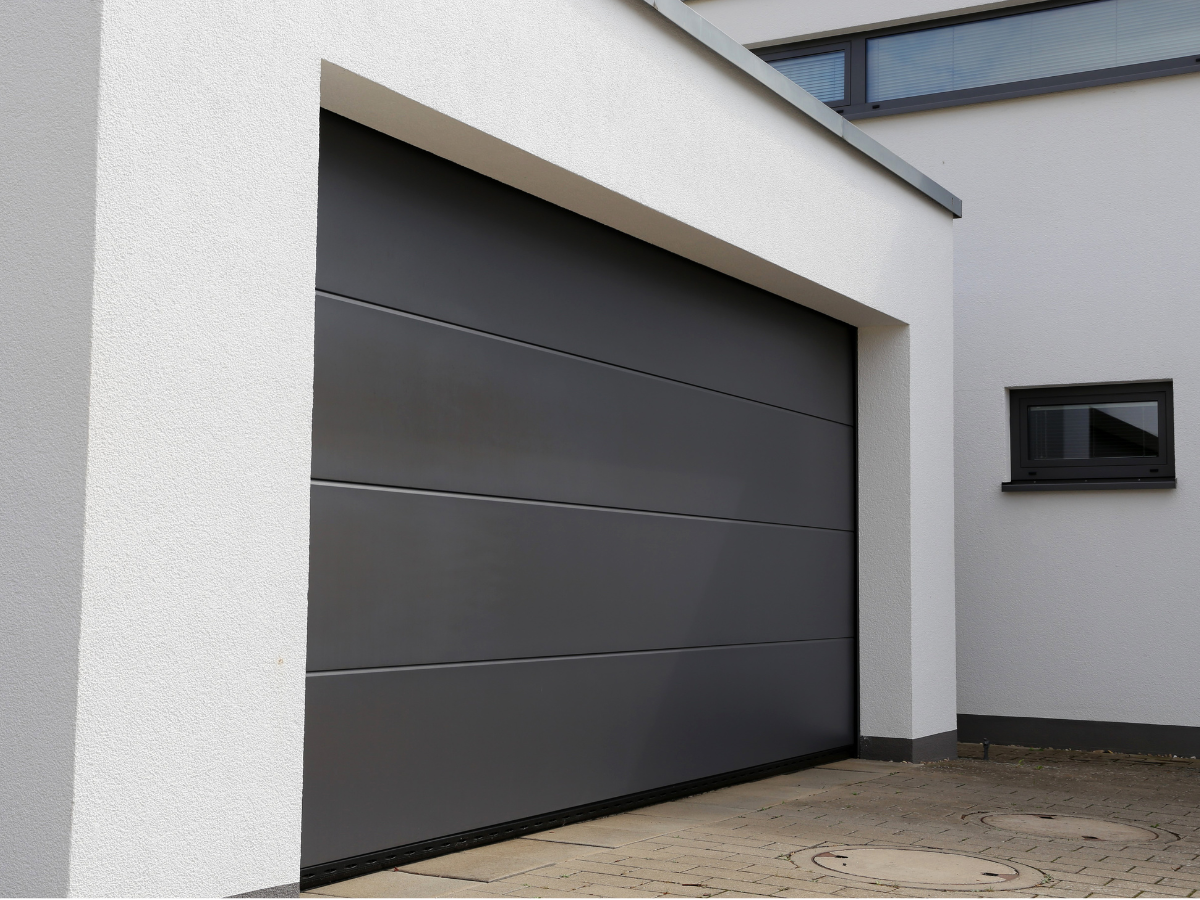
Made of horizontal panels, these doors require proper track alignment and spring maintenance. Broken panels or hinges are common issues.
2. Roller Garage Doors
These doors roll into a compact coil. Spring and roller mechanisms are prone to wear, requiring specialized repair.
3. Up-and-Over Doors
These pivot upwards and slide over the car space. Regular inspection of hinges, tracks, and springs is critical.
4. Tilt-Up Doors
Single-panel tilt-up doors need well-maintained pivoting hinges and balanced springs to function correctly.
Safety Tips During Garage Door Repair
Garage doors are heavy and equipped with high-tension springs, making them potentially dangerous. Always follow safety precautions:
- Disconnect power before repair
- Avoid standing under the door when testing
- Wear protective gloves and safety glasses
- Use proper tools for springs and cables
- Do not attempt complex repairs without experience
Expert Tips for Extending Garage Door Life
- Clean tracks and rollers regularly
- Lubricate moving parts with silicone spray
- Replace worn weather seals promptly
- Schedule annual professional maintenance
- Avoid slamming the door to reduce stress on components
Signs Your Garage Door Needs Immediate Attention
- Door won’t open or close fully
- Excessive noise or grinding sounds
- Visible damage to springs, cables, or panels
- Door moves unevenly or sticks
- Opener fails to respond to remote commands
Recognizing these warning signs early can prevent more extensive repairs and enhance safety.
Conclusion
Garage doors play a critical role in the safety, convenience, and aesthetic of your home or business. Regular inspections, maintenance, and timely garage door repair ensure smooth operation and prevent expensive replacements. Whether dealing with broken springs, malfunctioning openers, or misaligned tracks, knowing when to tackle issues yourself and when to call a professional is essential. By following the tips in this guide, you can keep your garage doors safe, functional, and long-lasting.
FAQs
Q1: How often should I inspect my garage door?
A1: Perform a visual inspection monthly and check all moving parts for wear and tear.
Q2: Can I repair a broken spring myself?
A2: No, spring repair is dangerous and should always be handled by professionals.
Q3: What is the average lifespan of a garage door?
A3: With proper maintenance, a typical garage door can last 15–20 years.
Q4: Why is my garage door making loud noises?
A4: Loud noises usually indicate worn rollers, hinges, or lack of lubrication.
Q5: How long does professional garage door repair take?
A5: Most common repairs take 1–3 hours, depending on the complexity.
