

Introduction
A garage door is something most homeowners rely on every single day, yet it’s often overlooked—until it suddenly stops working. When that happens, it can disrupt your routine, trap your vehicle, or even leave your home exposed to security risks. That’s why understanding emergency garage door repair is not just helpful—it’s essential.
Whether your garage door refuses to open, gets stuck halfway, or starts making unusual noises, knowing what to do in the moment can save you from panic, costly repairs, and potential accidents. This complete guide walks you through common problems, quick fixes, safety tips, and expert advice to help you handle garage door emergencies confidently.
What Is a Garage Door Emergency?

Not every garage door issue is urgent, but some situations require immediate action. A garage door emergency typically involves problems that affect safety, security, or accessibility.
Here are the most common scenarios that demand emergency garage door repair:
- The door won’t close, leaving your home vulnerable
- The door won’t open, trapping your car inside
- Broken springs or snapped cables
- Garage door off its track
- Loud grinding, screeching, or snapping sounds
- Remote control or opener failure at critical times
A standard garage door can weigh between 70 and 150 kilograms. Handling it without proper knowledge can be dangerous.
Why Garage Door Emergencies Happen
Garage door systems are made up of several moving parts that work together. Over time, wear and tear or lack of maintenance can lead to sudden failures.
Broken Springs
Springs are responsible for lifting and lowering the door. When they break, the door becomes extremely heavy and often unusable.
Damaged or Frayed Cables
Cables support the lifting mechanism. If they snap or wear out, the door may become uneven or completely stuck.
Misaligned or Bent Tracks
Tracks guide the door as it moves. Even slight misalignment can cause the door to jam or derail.
Faulty Garage Door Opener
Electrical issues, worn-out gears, or internal motor problems can prevent the door from functioning.
Sensor Issues
Modern garage doors rely on sensors for safety. If they are dirty, blocked, or misaligned, the door may refuse to close.
Immediate Steps to Handle an Emergency
When your garage door stops working, staying calm and taking the right steps can prevent further damage.
Step 1: Stay Calm and Assess the Problem
Take a moment to understand what went wrong. Is the issue mechanical, electrical, or caused by an obstruction?
Step 2: Disconnect the Automatic Opener
Use the emergency release cord (usually a red handle) to disconnect the opener. This allows you to operate the door manually.
Step 3: Check for Visible Damage
Inspect the door for broken springs, loose cables, or bent tracks. Avoid touching anything that looks dangerous.
Step 4: Remove Any Obstructions
Sometimes the issue is as simple as an object blocking the door’s path.
Step 5: Secure Your Garage
If the door is stuck open, take temporary measures to secure your property.
Quick DIY Fixes for Minor Issues
While major repairs should always be left to professionals, there are a few simple fixes you can try safely.
Realign the Sensors
- Wipe sensors with a clean cloth
- Make sure they are properly aligned
Tighten Loose Parts
- Use tools to tighten bolts and screws
- Check brackets and hinges for looseness
Lubricate Moving Components
- Apply lubricant to rollers, hinges, and tracks
- Avoid using heavy grease
Reset the Opener
- Unplug and reconnect the system
- Reprogram the remote if needed
Regular maintenance can prevent up to 60% of emergency garage door repair situations.
When You Should Avoid DIY Repairs
Not all repairs are safe to handle on your own. Some components are under high tension and can cause serious injuries.
Avoid DIY repairs if the issue involves:
- Broken or stretched springs
- Snapped or loose cables
- Track adjustments under tension
- Motor or opener replacement
In such cases, it’s always best to call a professional.
Cost of Emergency Garage Door Repair
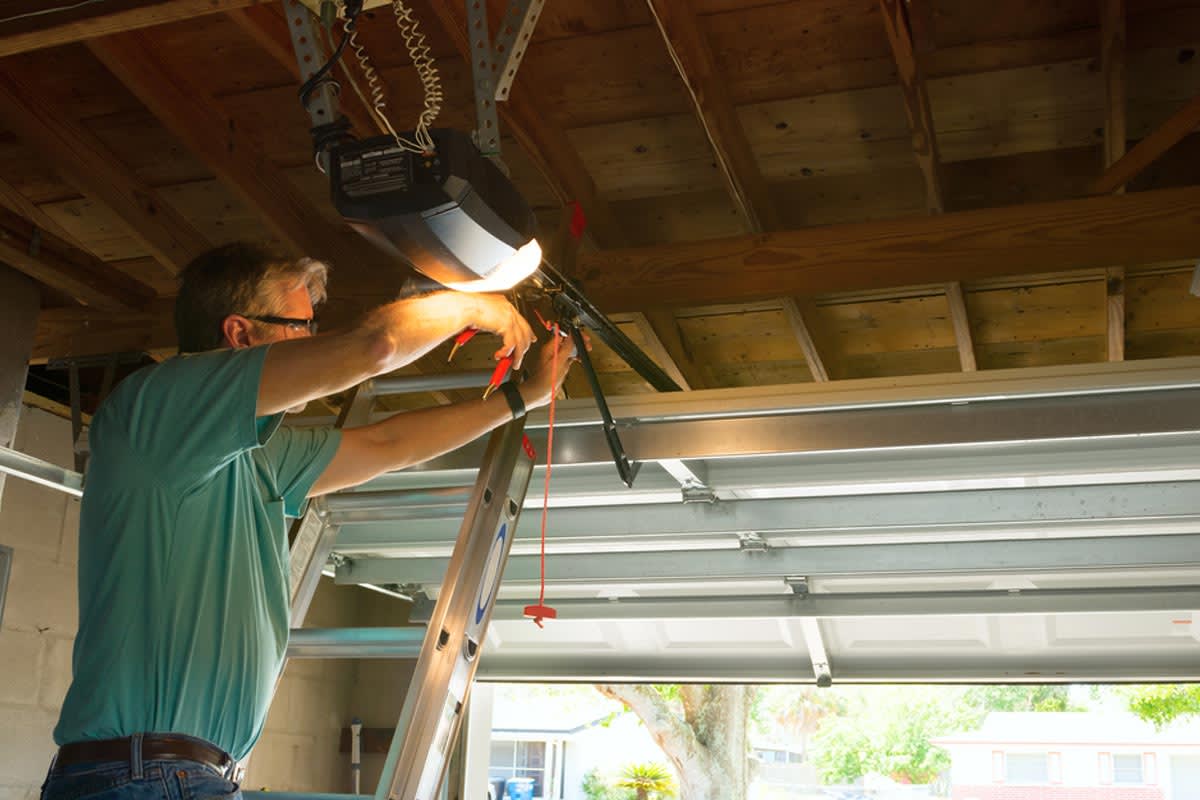
Understanding repair costs helps you prepare financially during emergencies.
| Repair Type | Estimated Cost (INR) | Urgency Level |
|---|---|---|
| Sensor alignment | ₹500 – ₹1,500 | Low |
| Track repair | ₹2,000 – ₹5,000 | Medium |
| Cable replacement | ₹3,000 – ₹7,000 | High |
| Spring replacement | ₹4,000 – ₹10,000 | Critical |
| Opener repair/replacement | ₹5,000 – ₹15,000 | High |
Prices may vary depending on location, door type, and service provider.
Signs You Need Immediate Professional Help
Delaying repairs can make the problem worse and increase costs. Contact a professional immediately if you notice:
- A loud snapping sound (spring failure)
- Door falling suddenly or unevenly
- Crooked or jerky movement
- Burning smell from the opener
- Door completely jammed
Preventive Maintenance: Avoid Emergencies Before They Happen
Regular maintenance is the best way to reduce the chances of needing emergency garage door repair.
Monthly Maintenance
- Inspect springs and cables
- Test the auto-reverse feature
Quarterly Maintenance
- Lubricate all moving parts
- Tighten hardware
Annual Maintenance
- Schedule a professional inspection
- Perform a full system tune-up
Consistent care extends the life of your garage door and keeps it running smoothly.
Choosing the Right Emergency Repair Service
Not all repair services are the same. Choosing the right one can make a big difference.
Look for:
- 24/7 emergency availability
- Certified and experienced technicians
- Transparent pricing
- Positive customer reviews
- Warranty on repairs
A reliable service provider ensures quick and safe repairs.
Modern Garage Door Features That Prevent Emergencies
Technology has made garage doors smarter and more reliable.
Here are some features that reduce the need for emergency garage door repair:
- Smartphone control for remote access
- Battery backup during power outages
- Automatic diagnostics for early issue detection
- Motion detection alerts
Investing in these features adds convenience and improves safety.
Safety Tips During Garage Door Emergencies
Safety should always be your top priority.
- Never stand under a malfunctioning door
- Keep children and pets away
- Avoid touching broken springs or cables
- Use proper tools for minor fixes
Ignoring safety precautions can lead to serious injuries.
Expert Tips for Handling Garage Door Issues
Professionals recommend the following:
- Keep a backup key or manual access option
- Install surge protectors for openers
- Replace worn-out parts before they fail
- Save contact details of emergency repair services
These small steps can make a big difference during emergencies.
FAQs
How quickly should I respond to a garage door problem?
Immediately. Delaying repairs can worsen the issue and increase costs.
Can I manually open my garage door?
Yes, using the emergency release cord, but only if it’s safe to do so.
What is the most common emergency issue?
Broken springs are the most frequent cause.
Is emergency repair expensive?
Costs vary, but emergency services may include additional charges.
How long does a repair take?
Most repairs are completed within 1 to 3 hours.
Can weather affect garage doors?
Yes, extreme temperatures and moisture can damage components.
Conclusion
Garage door emergencies can happen at any time, often when you least expect them. However, being informed and prepared can help you handle these situations calmly and effectively.
Understanding the basics of emergency garage door repair allows you to identify problems early, apply simple fixes, and know when to seek professional help. While DIY solutions can work for minor issues, safety should always come first.
Regular maintenance, smart upgrades, and timely repairs are the keys to avoiding emergencies. In the end, a well-maintained garage door doesn’t just provide convenience—it protects your home, your belongings, and your peace of mind.
Read More:-House Cleaning Made Simple: Smart Tips for a Sparkling Home
