

Introduction
Garage doors are more than just an entryway—they provide security, convenience, and curb appeal for your home. One of the most critical components in a garage door system is the cable. These steel cables carry the weight of the door, allowing it to lift and lower safely and efficiently. Over time, wear and tear, rust, or improper tension can cause cables to fray, stretch, or snap. Ignoring these signs can lead to malfunction, damage, or even serious injury.
Understanding the importance of garage door cable replacement is essential for every homeowner. Replacing worn or damaged cables not only restores smooth operation but also extends the life of your garage door. This guide will take you through everything you need to know about cables—from types and maintenance to safe replacement techniques and cost considerations.
“Frayed or rusty garage door cables can cause serious accidents. Learn how to replace them safely and maintain your garage door for long-term performance.”
Understanding Garage Door Cables
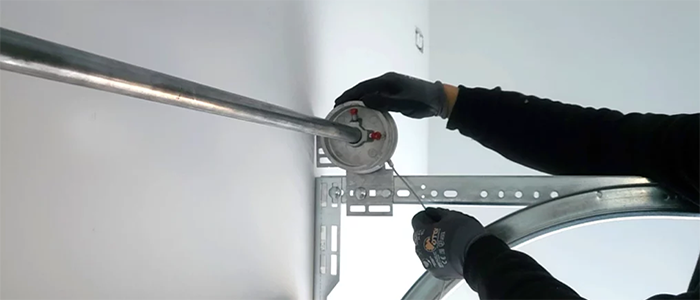
Garage door cables are strong steel wires designed to work with either torsion or extension spring systems. They help lift the door while keeping it balanced, ensuring smooth and safe operation. Torsion spring cables wind around drums at the top of the door, while extension spring cables stretch along the sides of the door as it moves. Choosing the right cable for your door’s weight and spring system is crucial for safety and performance.
Cables are generally made of galvanized or stainless steel. Galvanized cables resist rust and are standard for most homes, while stainless steel cables offer premium durability, especially in high-humidity environments. Selecting the appropriate cable type is a key part of successful garage door cable replacement.
When to Replace Garage Door Cables
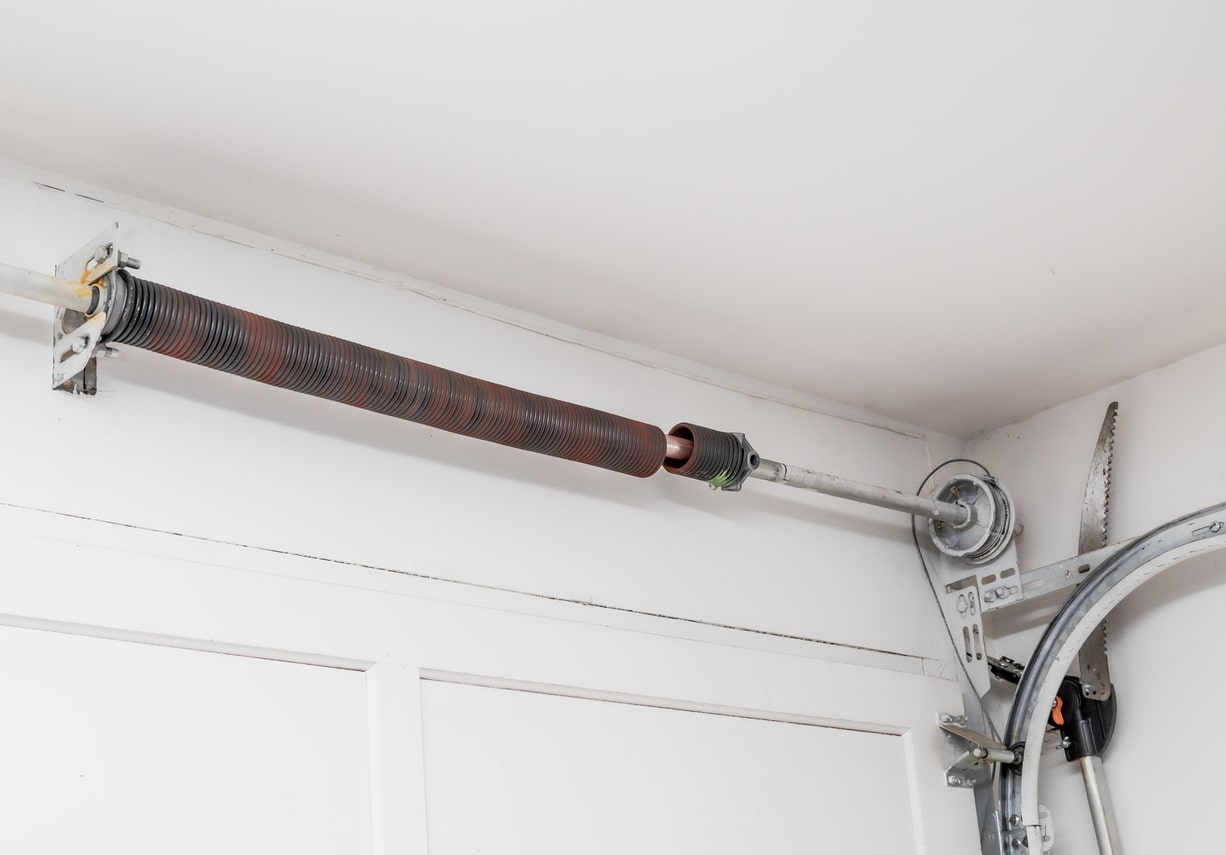
Recognizing the signs of worn or failing cables is essential. Some indicators include fraying strands, rust, uneven door movement, and loud noises when opening or closing the door. If the door fails to stay open or closes abruptly, it is often a sign that the cable is compromised. Replacing cables promptly prevents accidents and protects other components of the door, such as the springs and tracks.
Tools and Safety Precautions
Replacing garage door cables involves working with components under extreme tension. For your safety, it is important to gather the right tools and wear protective gear. At minimum, you should have:
- Wrenches and pliers for adjusting bolts and clamps
- A sturdy ladder to access the upper parts of the door
- C-clamps or locking pliers to secure the door in place
- Replacement cables specific to your door model
In addition to tools, always wear proper safety equipment such as gloves, goggles, and protective footwear. Even with the correct tools, garage door cable replacement can be risky. If you are inexperienced with high-tension springs, it is strongly recommended to hire a professional to handle the job safely.
“Always use gloves and safety goggles when replacing garage door cables. Proper tools and precautions prevent injuries from high-tension springs.”
Steps for Garage Door Cable Replacement
Replacing cables is a careful process that requires attention to detail. The main steps include:
- Securing the door – Use C-clamps near the bottom rollers and ensure the door is fully closed to prevent movement.
- Releasing spring tension – Unwind torsion springs using a winding bar, or detach extension springs from their brackets.
- Removing old cables – Disconnect the cable from the drum or bottom bracket and carefully remove it from the pulley system.
- Installing new cables – Thread the replacement cable through the pulleys and attach securely at both ends, ensuring proper alignment.
- Testing the door – Reapply spring tension, remove clamps, and check the door’s movement manually and with the opener to confirm smooth operation.
Following these steps methodically helps ensure a safe and successful garage door cable replacement.
Common Mistakes to Avoid
During cable replacement, homeowners often make avoidable errors. Uneven tension between sides, using the wrong cable type, or failing to wear protective gear are some of the most common mistakes. Additionally, skipping maintenance after installation can reduce the cable’s lifespan. Following manufacturer specifications and carefully checking all connections ensures a safer and more effective replacement.
Maintenance Tips for Longer Cable Life
After replacing cables, proper maintenance can significantly extend their life. Some recommended practices include:
- Lubrication – Apply a light silicone-based lubricant to cables and springs to reduce friction.
- Regular inspections – Check for fraying, rust, or misalignment every few months.
- Track cleaning – Remove dirt and debris that could strain the cables.
- Balance testing – Lift the door halfway to ensure it stays in place and moves evenly.
Proper maintenance reduces the frequency of garage door cable replacement and helps prevent costly repairs.
“Regularly lubricate and inspect your garage door cables to prevent premature wear. A well-maintained door lasts longer and operates smoothly.”
Cost Considerations

The cost of garage door cable replacement varies depending on the type of cable, door size, and whether you hire a professional. DIY replacement is relatively inexpensive, with materials costing $15–$50. Professional installation, however, ranges from $100–$250 and ensures safety and correct tension. High-end stainless steel cables may cost up to $350, but they offer superior durability and resistance to corrosion.
FAQs About Garage Door Cable Replacement
Q1: How often should I replace my garage door cables?
Most cables last between 5 and 10 years, depending on usage and environmental factors. Inspect them periodically to determine replacement needs.
Q2: Can I replace the cables myself?
While DIY replacement is possible, it is risky due to the tension in springs. Professionals can ensure safe and correct installation.
Q3: What causes cables to fail?
Cables wear out due to rust, fraying, improper tension, and heavy usage. Ignoring these issues can lead to snapping.
Q4: Are all garage door cables the same?
No. Cables must match your door’s weight and spring type. Using the wrong cable can cause malfunction or accidents.
Q5: How do I know if my cables are worn?
Fraying, rust, uneven movement, or loud noises during operation are clear signs that cables need replacement.
Conclusion
Your garage door is an essential part of your home, and garage door cable replacement plays a key role in keeping it safe and functional. Understanding cable types, identifying signs of wear, following proper replacement techniques, and maintaining your cables ensures smooth operation for years to come. While DIY replacement is possible, professional assistance is often the safest choice. With proper care and timely replacement, your garage door can continue to operate reliably, protecting your home and providing convenience for everyday life.
Read More:-Emergency Garage Door Repair Guide: Fast Fixes That Work Now
