


Introduction
A garage door opener is no longer just a luxury—it’s a key part of modern home convenience and safety. For many homeowners, the garage is not just a parking space; it’s a storage area, workshop, or even a home entry point. A reliable opener ensures easy access while keeping your home secure.
Whether you’re looking to install a new garage door opener, upgrade an old model, or maintain an existing one, this guide provides everything you need to know—from types and features to installation, maintenance, and troubleshooting.
Why Investing in a Garage Door Opener is Worth It
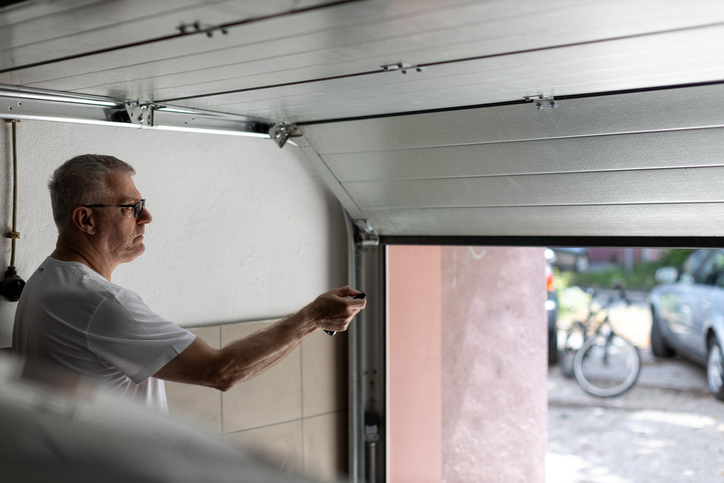
Many homeowners underestimate the importance of a quality garage door opener. Here are several reasons it is worth the investment:
- Convenience: Open and close your garage door effortlessly with a remote or app.
- Safety: Modern openers come with sensors to prevent accidents.
- Security: Features like rolling codes and smart alerts prevent unauthorized access.
- Durability: A high-quality opener reduces wear on the door and extends its lifespan.
- Energy Efficiency: Smooth, well-maintained doors prevent air leaks, saving energy.
A good garage door opener not only adds functionality but also protects your family and valuables.
Types of Garage Door Openers
Choosing the right garage door opener depends on the garage layout, door size, noise tolerance, and budget. Let’s take a closer look at each type:
| Type | Pros | Cons | Best For |
|---|---|---|---|
| Chain Drive | Durable, reliable, affordable | Noisy, vibrations | Standard garages |
| Belt Drive | Quiet, smooth operation | More expensive | Garages attached to living areas |
| Screw Drive | Low maintenance, fewer moving parts | Can be noisy depending on climate | Moderate-use garages |
| Direct Drive | Quietest, long lifespan | Expensive | High-end homes |
| Jackshaft/Wall Mount | Space-saving, ideal for low-ceiling garages | Professional installation required | Unique or limited-space garages |
Each type of opener has unique advantages. Chain drives are cost-effective but noisy, while belt drives are ideal for noise-sensitive environments. Direct drives offer ultimate durability, and jackshaft systems save ceiling space.
Features That Make Garage Door Openers Smarter
Technology has transformed the garage door opener from a simple mechanical device to a smart home component. Here’s what to look for:
- Smartphone Connectivity: Open, close, and monitor your garage door from anywhere using a mobile app.
- Battery Backup: Operate your door even during power outages.
- Safety Sensors: Infrared sensors detect obstacles, preventing accidents.
- Quiet Operation: Belt and direct drives operate silently, perfect for attached garages.
- Manual Release: Provides manual control during emergencies.
- Rolling Code Technology: Prevents remote hacking and enhances security.
Choosing an opener with modern features ensures convenience, safety, and long-term satisfaction.
How to Choose the Right Garage Door Opener
When shopping for a garage door opener, consider the following factors:
- Garage Size: Heavier doors need stronger motors.
- Noise Tolerance: Belt and direct drives are quieter than chain drives.
- Smart Home Integration: For tech-savvy homes, Wi-Fi-enabled openers are ideal.
- Safety Features: Check for sensors and auto-reverse functionality.
- Budget: While high-end models are expensive, they offer durability and advanced features.
A thoughtful choice ensures your garage door opener meets both your functional and safety requirements.
Step-by-Step Garage Door Opener Installation
Installing a garage door opener might seem intimidating, but it can be done safely with careful planning. Professional installation is recommended for complex setups, but here’s a general guide:
Step 1: Prepare the Garage
- Clear the area around the garage door.
- Check that the door is balanced and moves smoothly.
Step 2: Assemble the Opener
- Follow manufacturer instructions to assemble the rail and motor unit.
- Make sure all screws and bolts are secure.
Step 3: Mount the Opener
- Attach the opener to the ceiling bracket or wall (for jackshaft models).
- Install the trolley and connect it to the garage door arm.
Step 4: Install Safety Sensors
- Mount sensors at floor level on both sides of the door.
- Ensure they are aligned and connected correctly.
Step 5: Program the Remote and App
- Sync your remote(s) with the garage door opener.
- Configure app-based controls for smart openers.
Step 6: Test Operation
- Open and close the door fully.
- Ensure safety sensors and manual release function correctly.
Maintenance Tips to Extend Your Opener’s Life
Routine maintenance keeps your garage door opener functioning smoothly and safely. Follow these tips:
- Lubricate Moving Parts: Rollers, hinges, chains, and screw drives need regular lubrication.
- Inspect Safety Sensors: Ensure they are clean and aligned.
- Check Door Balance: Lift manually to check smooth movement without extra force.
- Test Auto-Reverse: Place an object under the door and confirm it reverses on contact.
- Tighten Loose Hardware: Bolts and screws may loosen over time.
- Replace Worn Parts: Chains, belts, and cables should be inspected and replaced as needed.
Regular maintenance prevents accidents and prolongs the opener’s lifespan.
Common Garage Door Opener Problems
Even high-quality garage door openers can face issues. Understanding common problems helps in troubleshooting:
| Problem | Possible Cause | Solution |
|---|---|---|
| Door won’t open | Dead battery in remote | Replace batteries |
| Door reverses unexpectedly | Misaligned sensors | Realign sensors |
| Opener makes loud noise | Worn chain or belt | Lubricate or replace |
| Remote not working | Lost connection or interference | Reprogram or check for obstructions |
| Door opens/closes partially | Garage door not balanced | Adjust tension springs |
Some problems are minor and easy to fix, while others require professional service.
Smart Garage Door Openers for Modern Homes
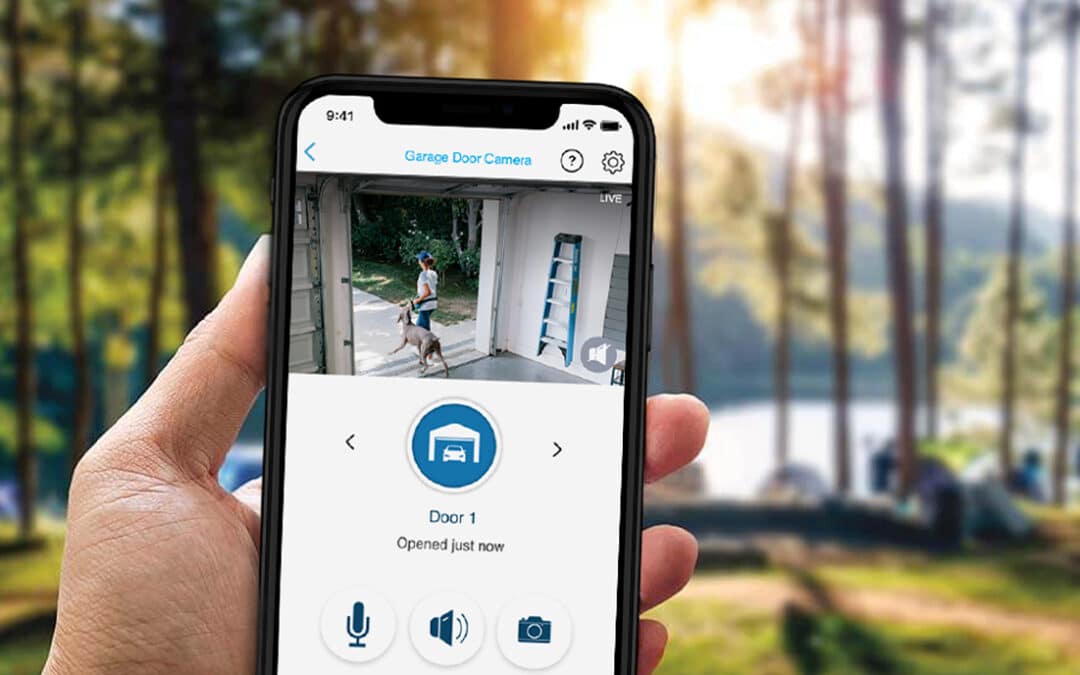
Smart garage door openers offer features that go beyond convenience. Homeowners can:
- Monitor the door remotely and get notifications if left open.
- Integrate with smart home assistants like Alexa or Google Home.
- Control multiple doors through a single app.
- Schedule automatic opening or closing times.
Investing in a smart opener improves security, accessibility, and overall home automation.
Safety Guidelines for Garage Door Openers
Garage doors are heavy and potentially dangerous. Following safety guidelines ensures you avoid accidents:
- Keep children away from the opener and door.
- Never stand under a moving garage door.
- Inspect cables and springs for wear and replace if needed.
- Test safety sensors monthly.
- Hire professionals for spring replacement or major repairs.
Safety is just as important as performance, so don’t overlook it.
Cost Considerations
Garage door openers vary in price depending on type, brand, and features. Here’s a breakdown:
| Opener Type | Price Range (INR) |
|---|---|
| Chain Drive | ₹8,000 – ₹15,000 |
| Belt Drive | ₹12,000 – ₹20,000 |
| Screw Drive | ₹10,000 – ₹18,000 |
| Direct Drive | ₹15,000 – ₹25,000 |
| Jackshaft | ₹18,000 – ₹30,000 |
Remember, additional costs may include professional installation, maintenance, or smart system integration. Investing slightly more upfront can save money in the long run.
Expert Tips for Choosing the Right Garage Door Opener
- Measure your garage door weight and size before selecting an opener.
- For attached garages, prioritize quiet operation.
- Consider openers with battery backup for power outages.
- Check for app compatibility if you want a smart system.
- Regularly maintain the opener to extend its life.
FAQs About Garage Door Openers
Q1: How often should I maintain my garage door opener?
A: Maintenance is recommended every 6 months to ensure smooth operation.
Q2: Can I install a garage door opener myself?
A: Yes, but some types like jackshaft models may require professional installation.
Q3: What is the quietest type of opener?
A: Belt drive and direct drive openers are ideal for silent operation.
Q4: Do smart garage door openers work during power outages?
A: Only if they include a battery backup feature.
Q5: How long does a garage door opener last?
A: With proper maintenance, most openers last 10–15 years.
Q6: Can I integrate my opener with smart home devices?
A: Yes, many modern openers work with Alexa, Google Home, and smartphone apps.
Conclusion
A garage door opener is an essential component of a modern home, combining convenience, safety, and security. From understanding the types of openers to installation, maintenance, and troubleshooting, this guide covers everything you need to make an informed decision.
Whether you choose a basic model or a high-tech smart opener, regular maintenance, proper installation, and attention to safety will ensure long-lasting, efficient operation. Investing in the right garage door opener not only simplifies your daily routine but also protects your home and family.
By following these tips, you can choose, install, and maintain the perfect garage door opener, making your garage safe, secure, and convenient for years to come.
Read More:-Garage Door Cable Replacement Complete Safe Repair DIY Tips
